
Programmes & Measurement
Rooted in place.
Grounded in evidence.
Develop regenerative agriculture and carbon insetting programmes. Understand the impact of the work you’re already doing.
We bring together community partnerships, field experience and impact data to help brands and ingredient companies turn sourcing ambitions into work on the ground.

Our services
Three services.
Your starting point.
Engage us for programme development, carbon insetting, or impact measurement and verification support. Each is a distinct service: choose the support you need, or combine them in one brief.
01
Programme development
Regenerative agriculture
“How can our sourcing help landscapes and communities flourish?”
Design and implement programmes with producer partners, grounded in local knowledge, landscape conditions and the ingredient supply chain.
- Agree priorities with communities and supply-chain partners
- Select practices suited to the place and crop
- Plan delivery, responsibilities and measures of progress
02
Supply-chain climate action
Carbon insetting
“How can we invest in measurable climate action within our supply chain?”
Develop interventions that reduce emissions or increase carbon storage within ingredient supply chains, supporting your Scope 3 climate strategy. We plan measurement around your reporting goals and the evidence needed to demonstrate progress.
- Assess feasibility and the connection to your supply chain
- Define the baseline, intervention and monitoring approach
- Clarify verification, allocation and reporting requirements
03
Existing or new initiatives
Impact measurement
& verification support
“We’ve invested in regeneration. What is it achieving?”
Establish baselines, assess available data and understand carbon, biodiversity and social outcomes. Identify what can be measured today and the evidence needed next.
- Review activities, boundaries and baseline evidence
- Assess emissions reductions and carbon removals separately
- Design monitoring and prepare evidence for independent verification
Five pillars for programme design
Every landscape
has its own language.
These five pillars are the starting point for designing regenerative programmes with our clients and producer communities. Together, we translate them into priorities, interventions and measures of progress suited to each landscape.
Our East African team brings field experience and respect for indigenous knowledge. Conservation comes first: protect what is thriving, reduce harm, and regenerate what needs to recover.
Protect what’s here.
Prioritise existing forests, natural habitats and carbon stores. Identify and address risks of deforestation, ecosystem conversion and degradation before planning restoration.
Make room for life.
Support pollinators, native species and diverse agroforestry systems. Design interventions around the habitats and ecological relationships that help each landscape flourish.
Build with people.
Shape priorities with producer communities, drawing on local knowledge and connecting landscape stewardship with livelihoods and market opportunities.
Draw down carbon
Design for emissions reductions and carbon storage across trees, soils and processing. Assess interventions such as agroforestry, soil carbon management, biochar and renewable energy, with measurement suited to the intended outcomes.
 05 / Soil health
Nurture what’s below
Support soil biology, structure, nutrient cycling and water retention. Explore composting, soil cover and other soil organic carbon interventions, including biochar where appropriate to local conditions.
Our conservation-first approach draws on SBTN’s avoid–reduce–regenerate–restore framework and the emphasis on no deforestation in SBTi’s Forest, Land and Agriculture (FLAG) guidance. We assess the relevant requirements for each client and programme.
Our IMS / Insetting Management System
Radical transparency.
Rooted in the field.
Traceability starts on the ground. Everything else builds from there.
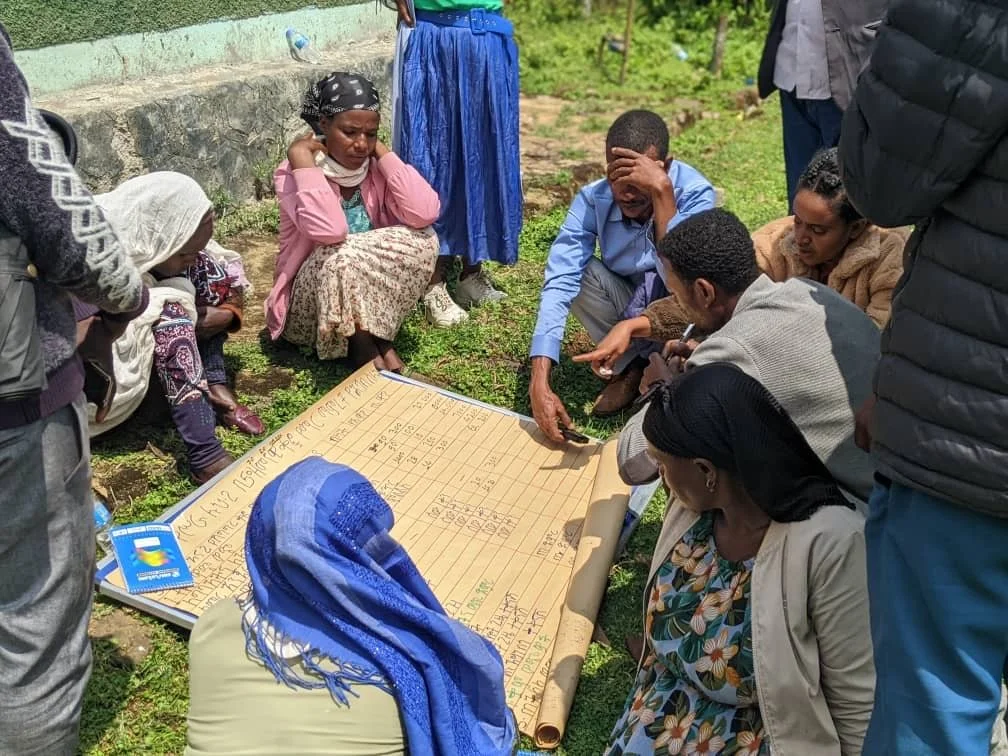
Our IMS starts with primary data collected and entered by producer communities in the landscapes where ingredients begin. Field observations, locations and timestamps connect programme records to the people and places behind them.
From the soil and the plot to the people who care for them, traceability gives ESG teams the foundation to decide where to invest, design programmes around real conditions and measure what changes.
This is our approach to radical transparency: connecting producer communities and ingredient buyers at opposite ends of the supply chain through knowledge of the source.
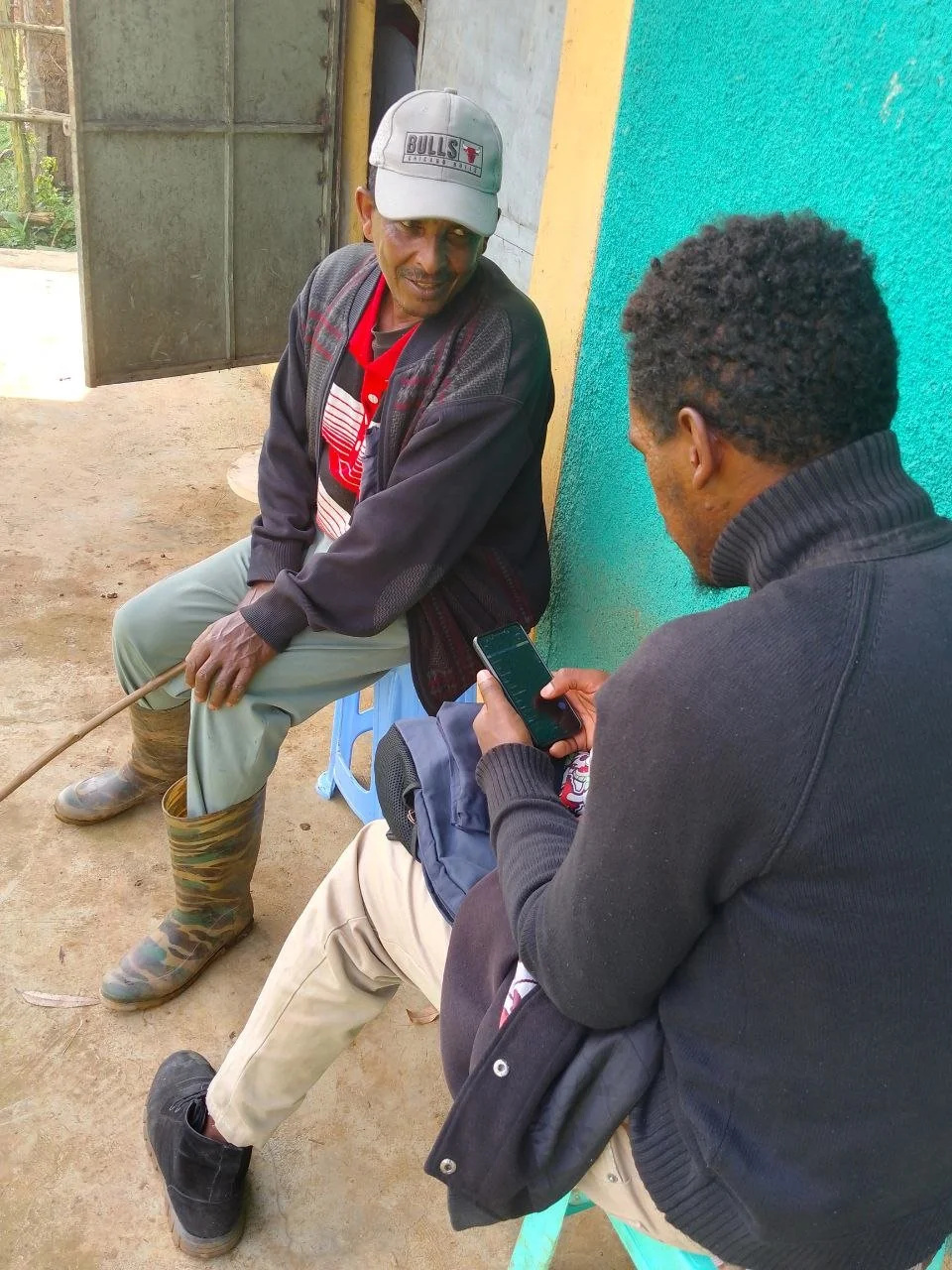
The people who know the landscape help document what is happening within it.
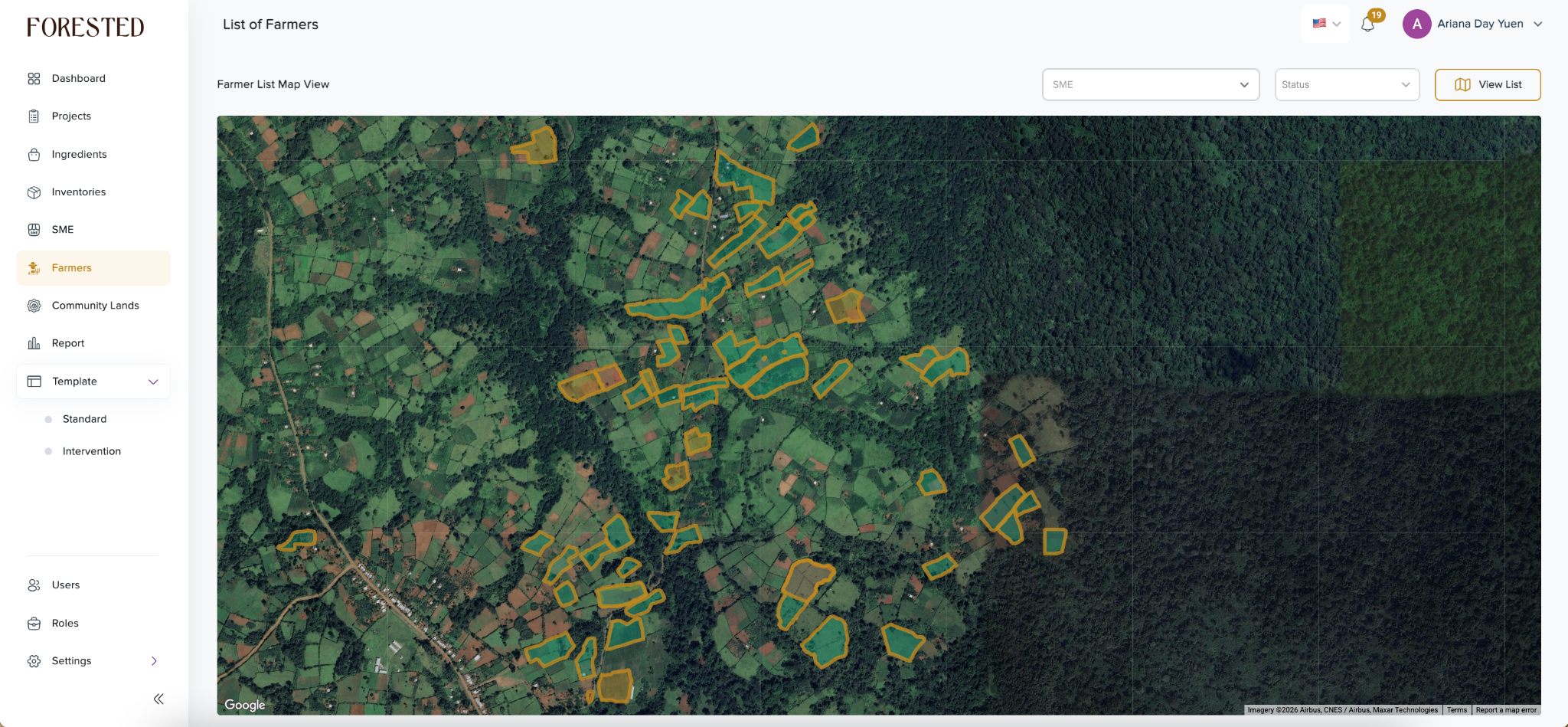
Connect field observations with mapped locations and programme records.
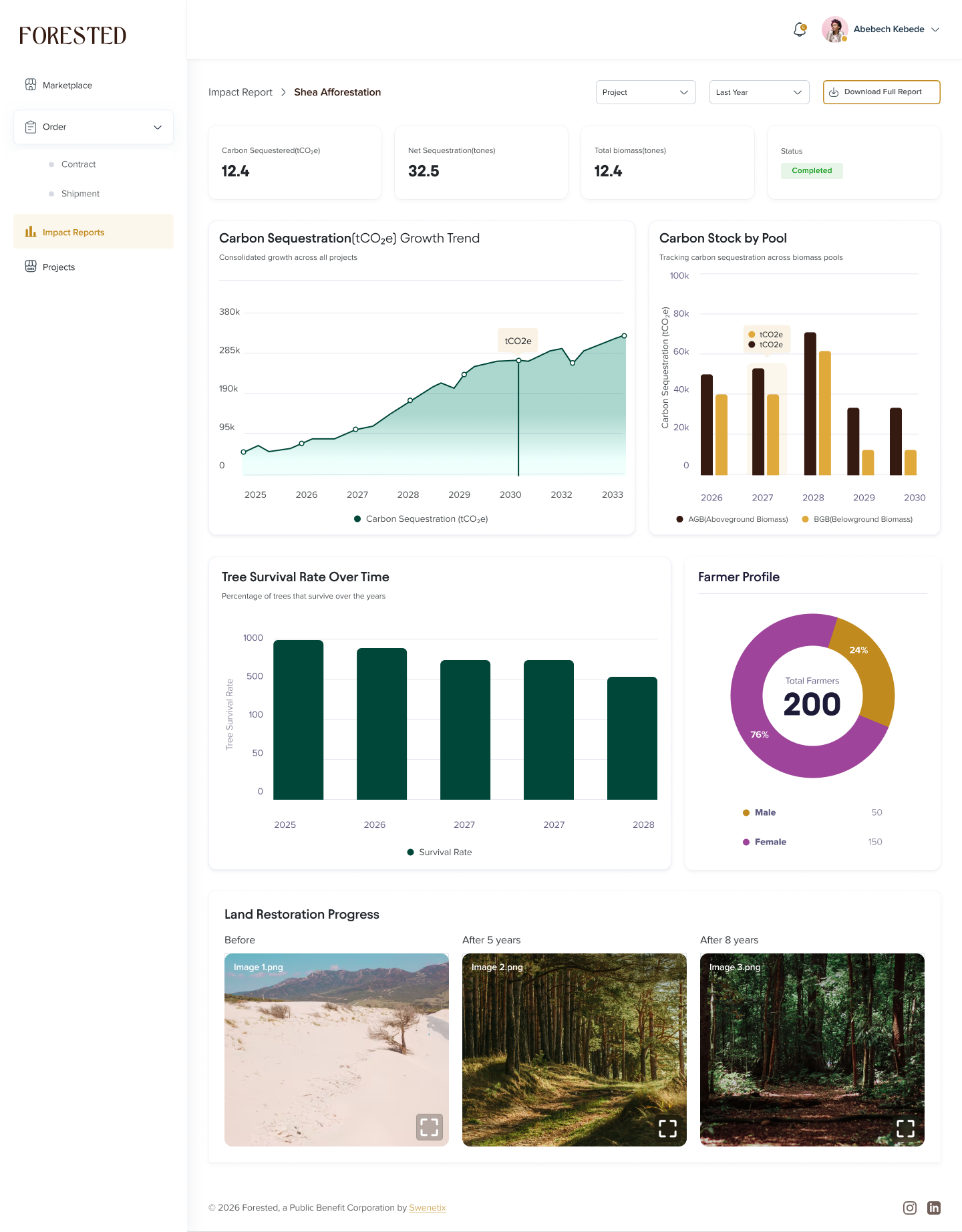
A closer connection to the source, through programme and impact information.
Evidence begins on the ground.
Primary field data provides the context for remote sensing and other analytical tools. Our IMS brings that evidence into programme management and measurement; independent verification remains a separate process.
People at the centre of the evidence
Their knowledge.
Their data.
Community ownership is foundational to our approach to transparency.
Community partners collect, input and own their data, and are compensated for that contribution. Their knowledge helps shape programme decisions and how change is understood. This gives producers an active role in the information that connects their landscapes with the buyers they supply.
Before we begin
A few useful answers.
Can you assess programmes we have already started?
Yes. We begin with the activities, locations and data already available, then identify baseline evidence, gaps and a practical measurement plan.
Do we need to source ingredients from Forested?
No. Programme development and measurement are available for your existing supply chains. Sourcing can be included if you need it.
What can the IMS measure?
The system supports data collection and management across carbon, nature and socio-economic impact. Indicators, methods and reporting are defined for each programme; not every project has the same data or measurement scope.
Does the IMS independently verify outcomes?
No. It supports the evidence and programme records needed for assessment. Independent verification is a distinct step, with the scope and verifier agreed for the programme.
What should we bring to an initial conversation?
Your ingredients or crops, locations, producer relationships, existing activities and available data — plus the questions you want to answer and how you intend to use the findings.
Let’s explore the possibilities
Where would you like to begin?
Tell us about your supply chain, the initiatives already underway and what you want to achieve or understand.